Call Us
+86-13503272331
Call Us
+86-13503272331

Robust Non-Perforated Cable Tray: Shield Cables from Harm
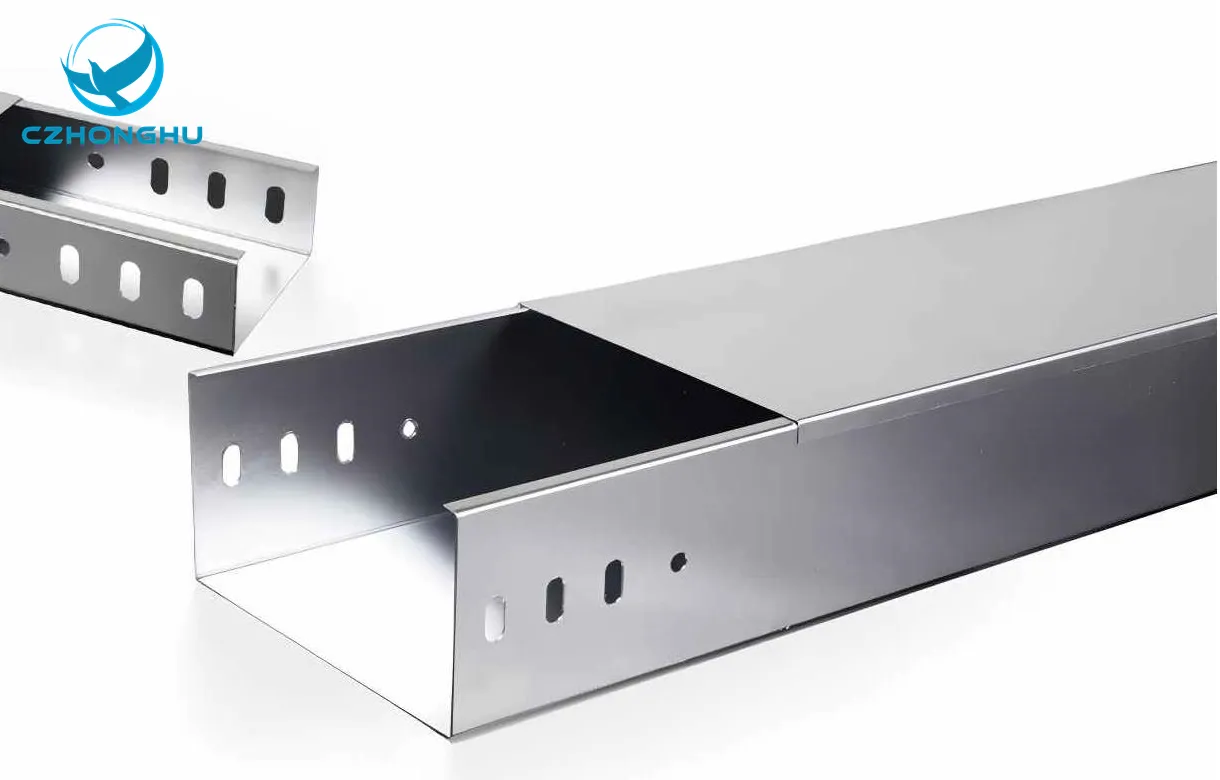
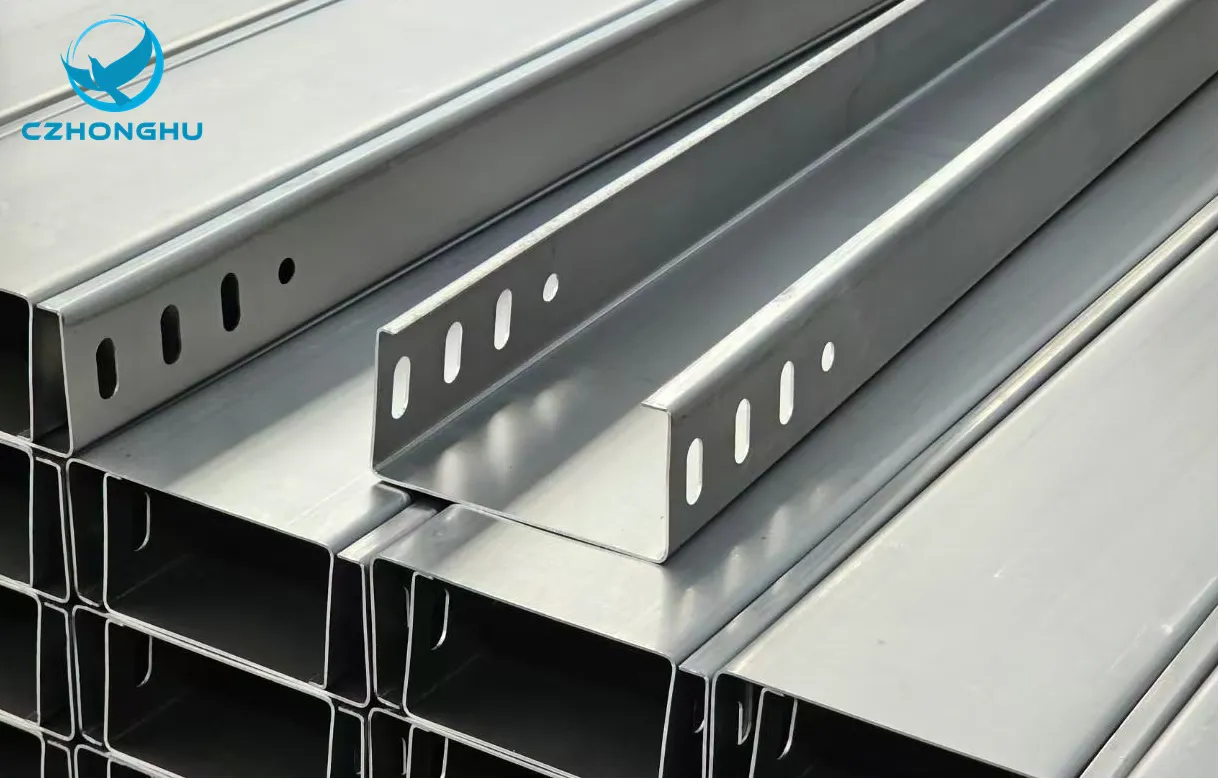
Solid bottom cable tray is a type of cable management system characterized by a solid, non-perforated base (without any holes or openings) and raised side rails. Think of it as a U-shaped trough or gutter for cables — an unperforated cable tray designed to provide complete enclosure and support for electrical, data, and communication cables.
Unlike ladder or perforated trays, a non-perforated cable tray offers enhanced protection against physical damage, dust, moisture, and electromagnetic interference (EMI/RFI). The unperforated cable tray is ideal for sensitive or delicate cables like fiber optics.
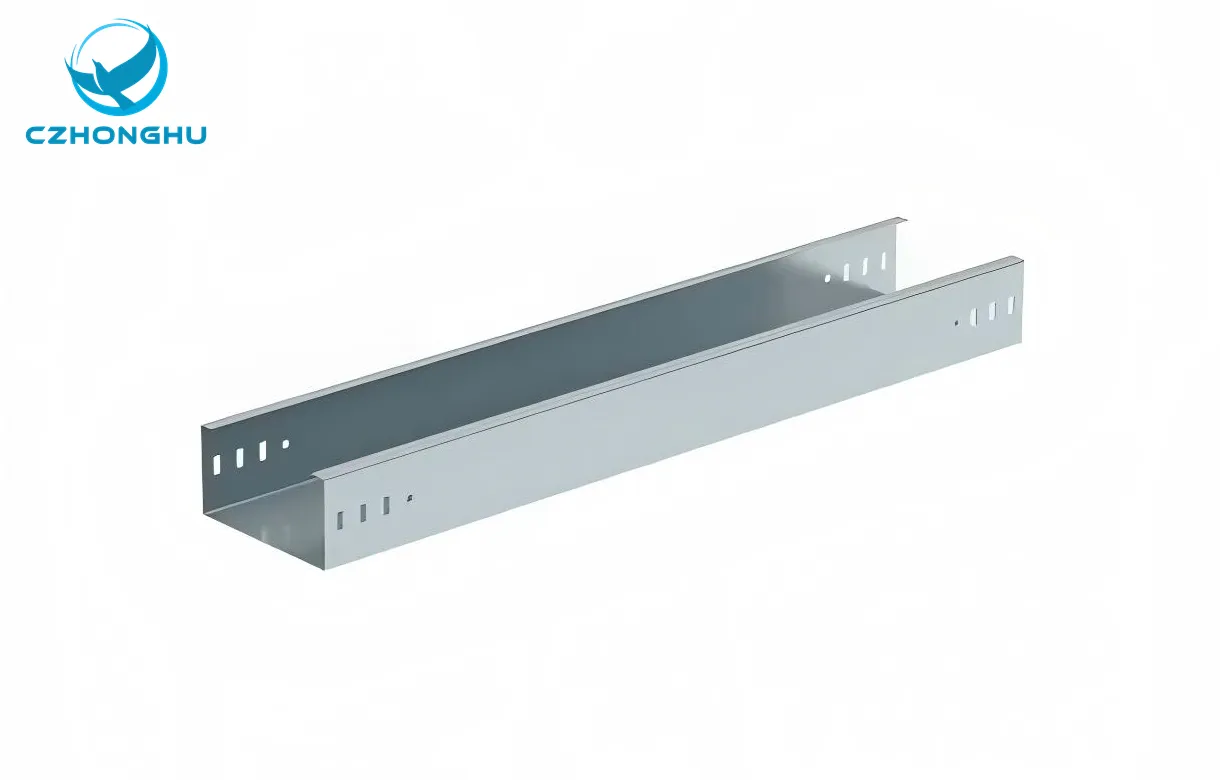
| Type | P/N | Height | Width | Thickness | Length | surface |
| Solid Cable Tray | HHCTP450 | 40 | 50 | 0.7/0.8/1.0/1.2/1.5/2.0 | 2000/2500/2900 | GI/HDP/PC/Paint/SST/AL |
| HHCTP4100 | 100 | 0.7/0.8/1.0/1.2/1.5/2.0 | 2000/2500/2900 | GI/HDP/PC/Paint/SST/AL | ||
| HHCTP4150 | 150 | 0.7/0.8/1.0/1.2/1.5/2.0 | 2000/2500/2900 | GI/HDP/PC/Paint/SST/AL | ||
| HHCTP4200 | 200 | 0.7/0.8/1.0/1.2/1.5/2.0 | 2000/2500/2900 | GI/HDP/PC/Paint/SST/AL | ||
| HHCTP4250 | 250 | 0.7/0.8/1.0/1.2/1.5/2.0 | 2000/2500/2900 | GI/HDP/PC/Paint/SST/AL | ||
| HHCTP4300 | 300 | 0.7/0.8/1.0/1.2/1.5/2.0 | 2000/2500/2900 | GI/HDP/PC/Paint/SST/AL | ||
| HHCTP4400 | 400 | 0.7/0.8/1.0/1.2/1.5/2.0 | 2000/2500/2900 | GI/HDP/PC/Paint/SST/AL | ||
| HHCTP4500 | 500 | 0.7/0.8/1.0/1.2/1.5/2.0 | 2000/2500/2900 | GI/HDP/PC/Paint/SST/AL | ||
| HHCTP4600 | 600 | 0.7/0.8/1.0/1.2/1.5/2.0 | 2000/2500/2900 | GI/HDP/PC/Paint/SST/AL | ||
| HHCTP550 | 50 | 50 | 0.7/0.8/1.0/1.2/1.5/2.0 | 2000/2500/2900 | GI/HDP/PC/Paint/SST/AL | |
| HHCTP5100 | 100 | 0.7/0.8/1.0/1.2/1.5/2.0 | 2000/2500/2900 | GI/HDP/PC/Paint/SST/AL | ||
| HHCTP5150 | 150 | 0.7/0.8/1.0/1.2/1.5/2.0 | 2000/2500/2900 | GI/HDP/PC/Paint/SST/AL | ||
| HHCTP5200 | 200 | 0.7/0.8/1.0/1.2/1.5/2.0 | 2000/2500/2900 | GI/HDP/PC/Paint/SST/AL | ||
| HHCTP5250 | 250 | 0.7/0.8/1.0/1.2/1.5/2.0 | 2000/2500/2900 | GI/HDP/PC/Paint/SST/AL | ||
| HHCTP5300 | 300 | 0.7/0.8/1.0/1.2/1.5/2.0 | 2000/2500/2900 | GI/HDP/PC/Paint/SST/AL | ||
| HHCTP5400 | 400 | 0.7/0.8/1.0/1.2/1.5/2.0 | 2000/2500/2900 | GI/HDP/PC/Paint/SST/AL | ||
| HHCTP5500 | 500 | 0.7/0.8/1.0/1.2/1.5/2.0 | 2000/2500/2900 | GI/HDP/PC/Paint/SST/AL | ||
| HHCTP5600 | 600 | 0.7/0.8/1.0/1.2/1.5/2.0 | 2000/2500/2900 | GI/HDP/PC/Paint/SST/AL | ||
| HHCTP6100 | 60 | 100 | 0.7/0.8/1.0/1.2/1.5/2.0 | 2000/2500/2900 | GI/HDP/PC/Paint/SST/AL | |
| HHCTP6150 | 150 | 0.7/0.8/1.0/1.2/1.5/2.0 | 2000/2500/2900 | GI/HDP/PC/Paint/SST/AL | ||
| HHCTP6200 | 200 | 0.7/0.8/1.0/1.2/1.5/2.0 | 2000/2500/2900 | GI/HDP/PC/Paint/SST/AL | ||
| HHCTP6250 | 250 | 0.7/0.8/1.0/1.2/1.5/2.0 | 2000/2500/2900 | GI/HDP/PC/Paint/SST/AL | ||
| HHCTP6300 | 300 | 0.7/0.8/1.0/1.2/1.5/2.0 | 2000/2500/2900 | GI/HDP/PC/Paint/SST/AL | ||
| HHCTP6400 | 400 | 0.7/0.8/1.0/1.2/1.5/2.0 | 2000/2500/2900 | GI/HDP/PC/Paint/SST/AL | ||
| HHCTP6500 | 500 | 0.7/0.8/1.0/1.2/1.5/2.0 | 2000/2500/2900 | GI/HDP/PC/Paint/SST/AL | ||
| HHCTP6600 | 600 | 0.7/0.8/1.0/1.2/1.5/2.0 | 2000/2500/2900 | GI/HDP/PC/Paint/SST/AL | ||
| HHCTP7100 | 75 | 100 | 0.7/0.8/1.0/1.2/1.5/2.0 | 2000/2500/2900 | GI/HDP/PC/Paint/SST/AL | |
| HHCTP7150 | 150 | 0.7/0.8/1.0/1.2/1.5/2.0 | 2000/2500/2900 | GI/HDP/PC/Paint/SST/AL | ||
| HHCTP7200 | 200 | 0.7/0.8/1.0/1.2/1.5/2.0 | 2000/2500/2900 | GI/HDP/PC/Paint/SST/AL | ||
| HHCTP7250 | 250 | 0.7/0.8/1.0/1.2/1.5/2.0 | 2000/2500/2900 | GI/HDP/PC/Paint/SST/AL | ||
| HHCTP7300 | 300 | 0.7/0.8/1.0/1.2/1.5/2.0 | 2000/2500/2900 | GI/HDP/PC/Paint/SST/AL | ||
| HHCTP7400 | 400 | 0.7/0.8/1.0/1.2/1.5/2.0 | 2000/2500/2900 | GI/HDP/PC/Paint/SST/AL | ||
| HHCTP7500 | 500 | 0.7/0.8/1.0/1.2/1.5/2.0 | 2000/2500/2900 | GI/HDP/PC/Paint/SST/AL | ||
| HHCTP7600 | 600 | 0.7/0.8/1.0/1.2/1.5/2.0 | 2000/2500/2900 | GI/HDP/PC/Paint/SST/AL | ||
| HHCTP1010 | 100 | 100 | 0.7/0.8/1.0/1.2/1.5/2.0 | 2000/2500/2900 | GI/HDP/PC/Paint/SST/AL | |
| HHCTP10150 | 150 | 0.7/0.8/1.0/1.2/1.5/2.0 | 2000/2500/2900 | GI/HDP/PC/Paint/SST/AL | ||
| HHCTP10200 | 200 | 0.7/0.8/1.0/1.2/1.5/2.0 | 2000/2500/2900 | GI/HDP/PC/Paint/SST/AL | ||
| HHCTP10250 | 250 | 0.7/0.8/1.0/1.2/1.5/2.0 | 2000/2500/2900 | GI/HDP/PC/Paint/SST/AL | ||
| HHCTP10300 | 300 | 0.7/0.8/1.0/1.2/1.5/2.0 | 2000/2500/2900 | GI/HDP/PC/Paint/SST/AL | ||
| HHCTP10400 | 400 | 0.7/0.8/1.0/1.2/1.5/2.0 | 2000/2500/2900 | GI/HDP/PC/Paint/SST/AL | ||
| HHCTP10500 | 500 | 0.7/0.8/1.0/1.2/1.5/2.0 | 2000/2500/2900 | GI/HDP/PC/Paint/SST/AL | ||
| HHCTP10600 | 600 | 0.7/0.8/1.0/1.2/1.5/2.0 | 2000/2500/2900 | GI/HDP/PC/Paint/SST/AL |
Materials: The solid bottom type cable tray is commonly manufactured from pre-galvanized steel, hot-dipped galvanized steel, aluminum, or fiberglass. These material options ensure excellent durability, corrosion resistance, and long service life.
Enclosed Structural Design: The non-perforated cable tray features a fully enclosed structure with a flat, solid base. Optional covers can be added to enhance protection against dust, debris, and external impacts, making the solid bottom type cable tray ideal for controlled or sensitive installations.
Wide Range of Applications: The unperforated cable tray is widely used in data centers, healthcare facilities, industrial plants, renewable energy projects, and commercial buildings. Its clean appearance and protective design make the solid bottom type cable tray a preferred solution where both cable safety and aesthetics are important.
Superior Cable Protection: The solid bottom type cable tray effectively shields cables from crushing, abrasion, and environmental hazards. The enclosed base of the unperforated cable tray provides continuous support for delicate or high-density cable runs.
EMI / RFI Shielding Performance: The continuous metal bottom of the non-perforated cable tray helps reduce electromagnetic and radio-frequency interference, supporting stable operation of sensitive circuits and critical electrical systems.
Selecting between perforated and non-perforated cable trays is a key step in designing a reliable cable management system. The decision directly affects the protection level, ventilation performance, and long-term maintenance.
1. Structural Characteristics and Protection Level
A perforated cable tray contains evenly spaced holes along the base and sidewalls, allowing ventilation, heat dissipation, and easier cable fastening. In contrast, a non-perforated cable tray features a continuous enclosed base that provides stronger physical protection and prevents dust, moisture, or falling debris from contacting the cables.
Because a solid bottom type cable tray has no openings, it is commonly selected where environmental sealing and electromagnetic shielding are more critical than airflow. This makes the unperforated cable tray especially valuable in outdoor, industrial, or contamination-sensitive installations.
2. Environmental Conditions That Require an Unperforated Cable Tray
A non-perforated cable tray is typically recommended when external contamination or moisture exposure is a concern:
Dust-intensive manufacturing plants, where open trays could allow particle accumulation
Outdoor installations exposed to rain, wind, or pollution
Chemical or corrosive locations requiring reduced environmental contact
Sensitive signal or control cables that benefit from the shielding effect of a solid bottom type cable tray
In these situations, an unperforated cable tray significantly improves cable lifespan and operational safety.
3. Situations Where Perforated Cable Trays Are More Suitable
Although a solid bottom type cable tray offers strong protection, perforated trays remain useful in conditions where heat dissipation is critical:
High-power electrical cables that generate continuous heat
Dense cable layouts requiring airflow for temperature control
Indoor technical rooms where contamination risk is relatively low
Engineers must balance ventilation needs with the protection advantages provided by a non-perforated cable tray.
Please complete the form. Our experts will contact you to provide a tailored solution and technical specifications for your project needs.
 English
 português
 Deutsch
 Nederland
 Español
 Polska