Call Us
+86-13503272331
Call Us
+86-13503272331

In modern industrial electrical installations, correct installation practices often determine system reliability more than product selection itself. Even a well-designed conduit system can fail prematurely if it is installed incorrectly or without consideration of environmental and mechanical conditions.
In outdoor and industrial environments, gi flexible conduit pvc coated systems are widely used to protect electrical wiring where rigid routing is not practical and environmental exposure is unavoidable.
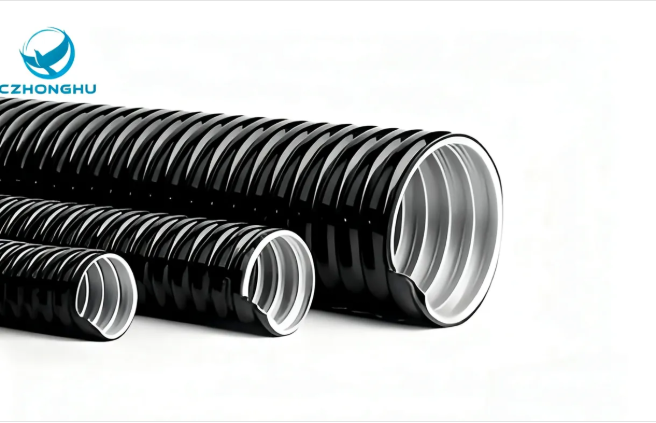
GI flexible conduit PVC coated is an industrial electrical protection system made of a galvanized iron flexible metal core covered with a PVC outer layer, designed to protect cables from mechanical stress, moisture, and environmental exposure while allowing routing flexibility.
Unlike rigid conduit systems, flexible conduit requires a more careful installation approach because its performance depends not only on material quality but also on how it is routed, fixed, and sealed during installation.
One of the most important steps in installing gi flexible conduit pvc coated systems is proper route planning before any physical installation begins.
In industrial environments, cables are often routed through:
machinery structures
ceilings and cable trays
outdoor exposed frameworks
confined technical spaces
Poor planning can lead to unnecessary bends, mechanical stress, or exposure to damage points.
Minimize sharp directional changes
Avoid high-vibration contact points where possible
Separate power and control lines when necessary
Ensure accessibility for future maintenance
Industry installation guidance consistently emphasizes that excessive bending and poor routing significantly reduce conduit lifespan and cable integrity over time.
PVC-coated conduit requires careful handling during cutting and preparation to avoid damaging the protective layer.
The PVC outer layer acts as a barrier against environmental exposure, while the GI core provides mechanical strength. If the coating is damaged during installation, corrosion resistance can be compromised.
Use appropriate cutting tools to ensure clean edges
Avoid excessive force that may deform the spiral structure
Ensure cut ends are properly finished before fitting connectors
According to installation best practices used in coated conduit systems, protective handling at every stage is essential to maintain long-term corrosion resistance and system integrity.
One of the most critical aspects of installing Gi flexible conduit pvc coated systems is correct connector selection.
Outdoor and industrial environments require fittings that maintain:
sealing integrity
mechanical continuity
electrical grounding where applicable
Incorrect fittings are one of the most common causes of system failure.
Use connectors rated for outdoor or wet locations
Ensure tight sealing to prevent moisture ingress
Maintain continuity of the conduit system
Avoid damaging the PVC coating during tightening
Installation guidance consistently notes that improper fittings can completely compromise system protection, even if the conduit itself is high quality.
Outdoor installations expose conduit systems to rain, dust, UV radiation, and chemical contaminants. Without proper sealing, these factors can gradually degrade cable insulation.
A correctly installed gi flexible conduit pvc coated system relies on:
sealed junction points
properly rated enclosures
moisture-resistant connectors
water ingress during rain exposure
dust accumulation in industrial areas
oil and chemical contamination in factories
Industry electrical installation practices classify outdoor environments as “wet locations,” meaning all components must be rated for moisture exposure to maintain system integrity.
Flexible conduit is designed to bend, but every system has a defined minimum bending radius.
Exceeding this limit can lead to:
internal cable stress
deformation of the conduit structure
reduced mechanical lifespan
Plan bends in advance rather than adjusting onsite
Avoid repeated sharp directional changes
Use gradual curves instead of tight angles
Industry guidance consistently highlights that improper bending is one of the most common installation mistakes in flexible conduit systems.
Support spacing is another critical factor in ensuring long-term stability of gi flexible conduit pvc coated systems.
Without proper fixing, conduit may:
sag over time
experience vibration fatigue
develop stress at connection points
Support points should be installed at regular intervals to prevent mechanical load concentration.
In industrial environments with vibration (such as machinery or pumps), additional supports may be required to maintain stability.
| Installation Factor | Best Practice | Common Mistake |
| Route planning | Plan full path before installation | Adjusting route during installation |
| Cutting | Clean, controlled cutting tools | Rough cutting damaging coating |
| Connectors | Rated for outdoor/wet use | Using non-rated fittings |
| Sealing | Fully sealed junction points | Leaving exposed entry points |
| Bending | Maintain minimum radius | Sharp or repeated bending |
| Support | Regular spacing supports | Long unsupported runs |
In industrial environments, installation conditions are more demanding due to vibration, heat, and continuous operation.
Typical applications of gi flexible conduit pvc coated include:
machinery wiring systems
automation equipment connections
HVAC electrical routing
outdoor power distribution systems
In these scenarios, installation quality directly affects system uptime and maintenance frequency.
Poor installation practices can lead to hidden issues such as:
gradual insulation wear
connector loosening due to vibration
moisture penetration at joints
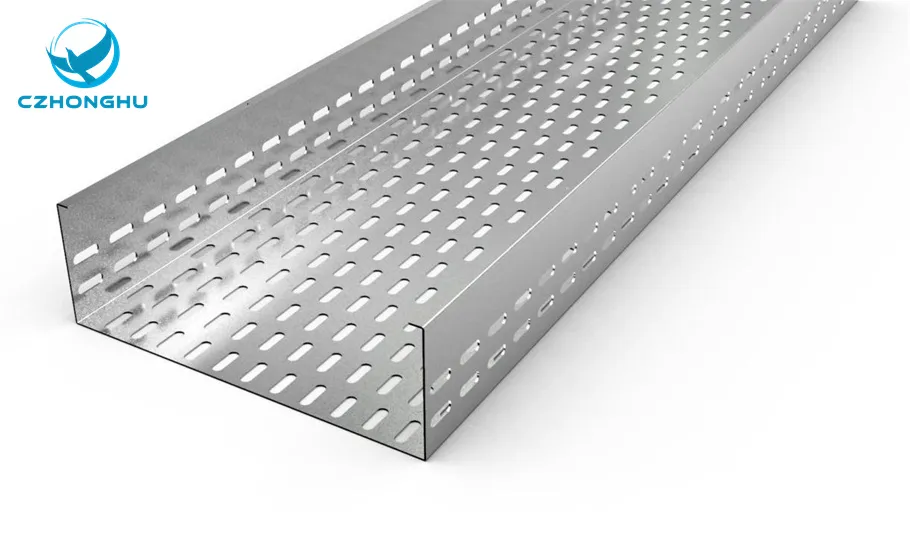
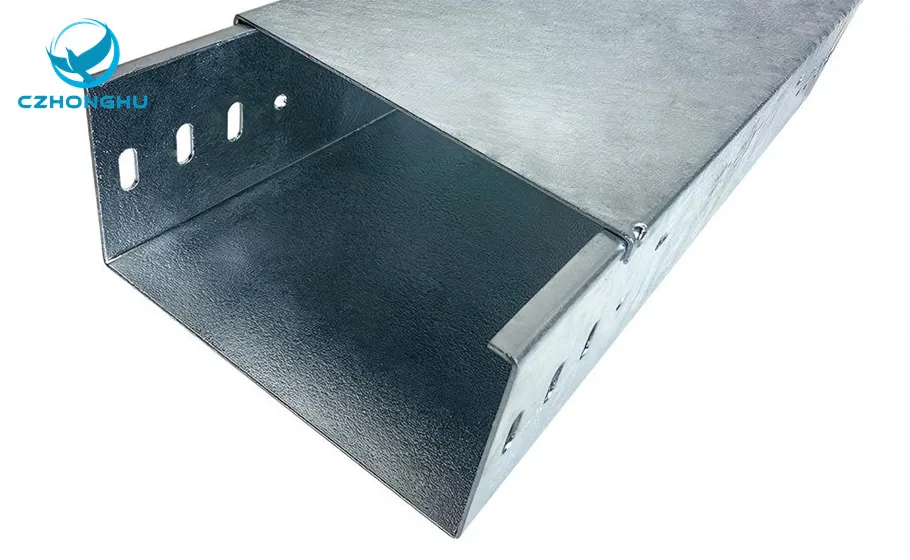
Flexible conduit is rarely used in isolation. It is typically part of a larger electrical infrastructure system that may include cable trays, trunking, and junction boxes.
In structured installations, conduit systems are used to:
connect moving equipment to fixed cable routes
bridge gaps between equipment and distribution systems
provide localized protection in exposed areas
Manufacturers such as EMT Cable Tray design systems that integrate pvc coated flexible conduit into broader cable management frameworks, improving scalability and maintenance efficiency.
Proper installation directly influences long-term performance.
A well-installed gi flexible conduit pvc coated system can:
reduce maintenance frequency
improve fault detection efficiency
extend cable lifespan
maintain stable electrical performance
Conversely, poor installation often leads to early failure even when high-quality materials are used.
Correct installation of gi flexible conduit pvc coated systems is essential for achieving reliable performance in outdoor and industrial environments. Key factors such as route planning, proper bending radius, correct fittings, and effective sealing directly impact system lifespan and safety. Unlike rigid conduit systems, flexible conduit requires careful attention to mechanical behavior during installation. When installed according to engineering best practices, it provides durable protection, improved system stability, and reduced long-term maintenance requirements in demanding environments.
Proper route planning before installation is critical to avoid unnecessary bends and stress points.
Yes, it is designed for outdoor environments when properly sealed and fitted with rated connectors.
Exceeding the minimum bending radius can damage cables and reduce conduit lifespan.
Outdoor or wet-location rated connectors should always be used to prevent moisture ingress.
Support spacing depends on application, but regular intervals are necessary to prevent sagging and vibration stress.
1.Installing PVC-Coated Conduit Correctly (EC&M)
https://www.ecmweb.com/content/article/20893514/installing-pvc-coated-conduit-correctly
2.Outdoor Electrical Conduit Installation Guide
https://www.electricalconduit.com/a-beginners-guide-to-installing-electrical-conduit-outdoors/
3.IEC 61386 Conduit Systems Standard Overview
4.IEC 61386 Performance Requirements
5.Wikipedia – Electrical Conduit
https://en.wikipedia.org/wiki/Electrical_conduit
 English
 português
 Deutsch
 Nederland
 Español
 Polska